01/03/2024
See you at Nordbygg 2024!
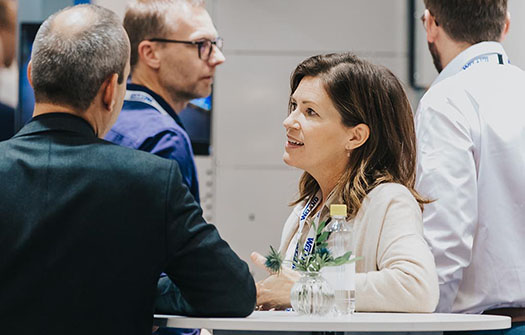
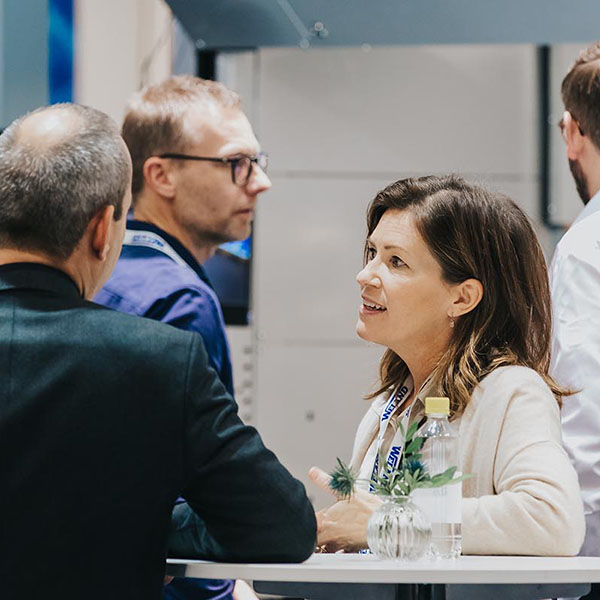
It’s that time of year again – Nordbygg is upon us and, of course, we’ll be there along with representatives from all our subsidiaries.
Read more
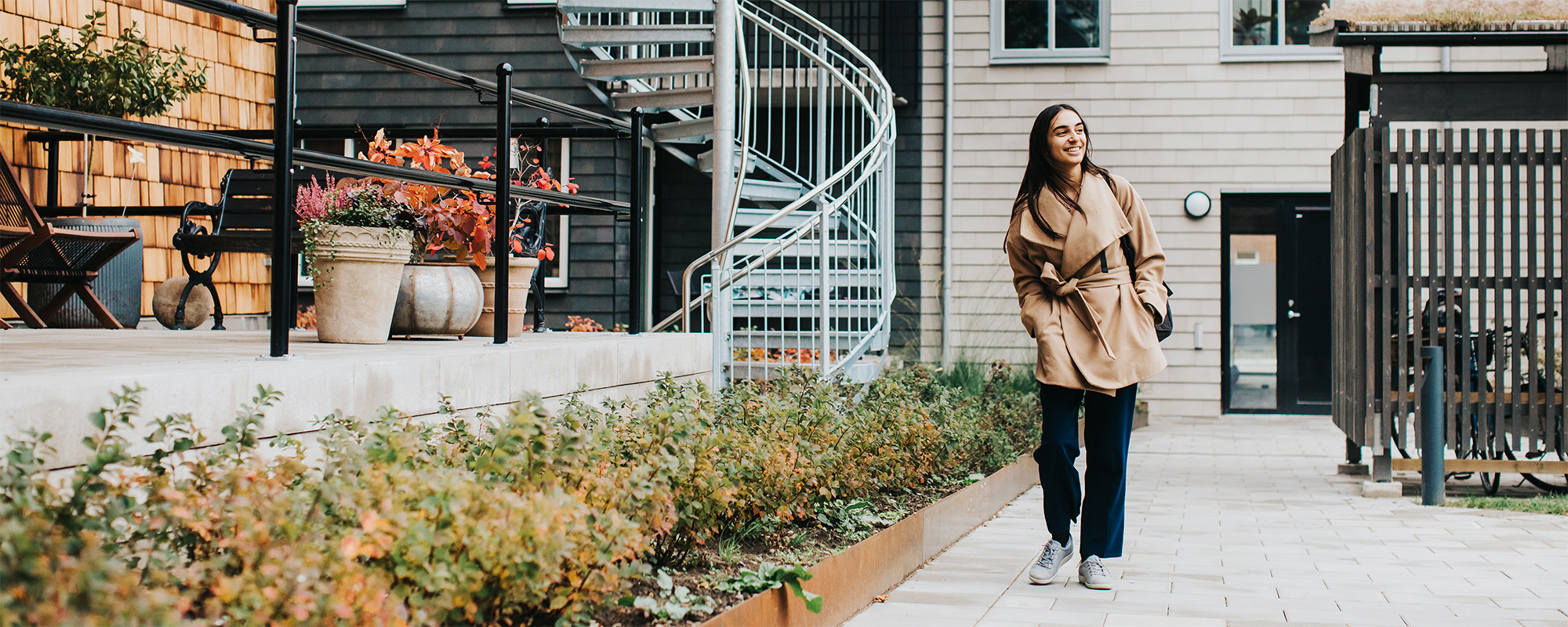
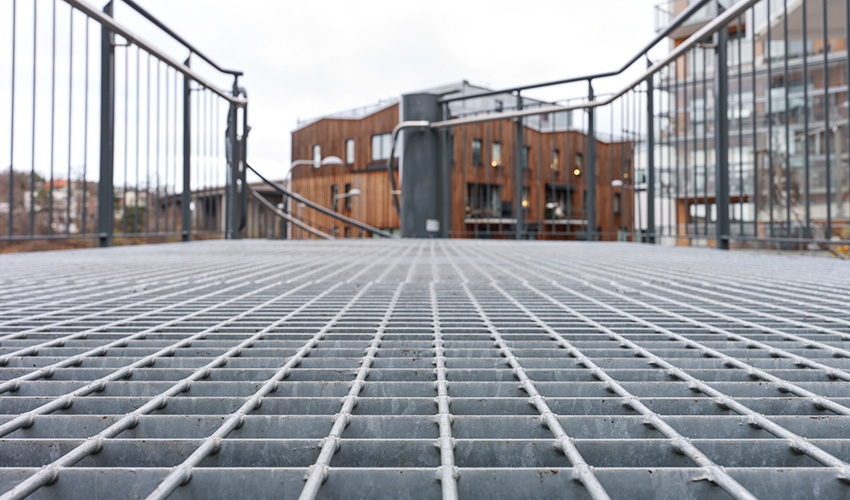
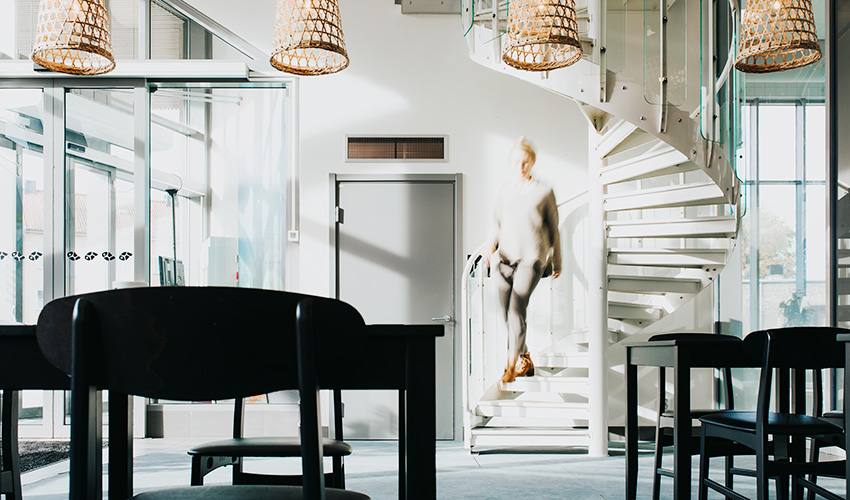
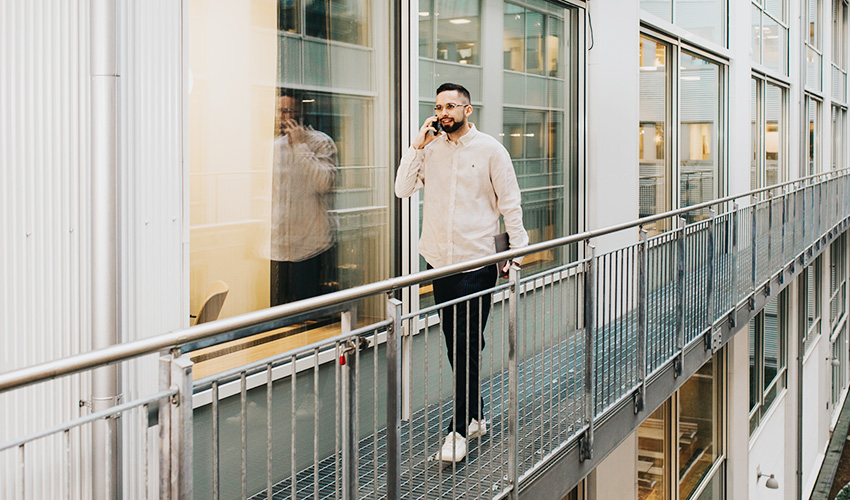
We are a family-owned company with roots deeply embedded in Småland. A leading manufacturer and supplier of spiral staircases, straight flight staircases, railings, wheelchair ramps, steel walkways, gratings, and mezzanines. We are also one of Sweden’s major players in the sheet metal working sector.

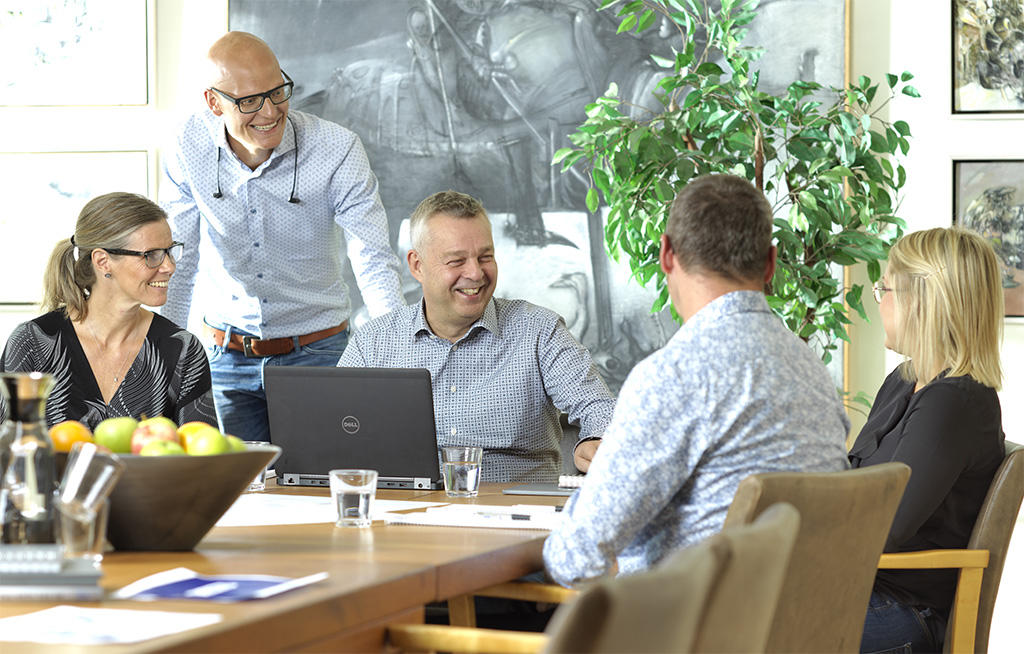
01/03/2024
It’s that time of year again – Nordbygg is upon us and, of course, we’ll be there along with representatives from all our subsidiaries.
Read more
02/02/2024
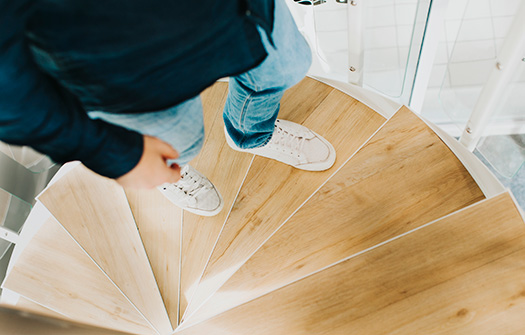
We have been making spiral staircases from steel for almost 60 years. We’re now about to launch a new spiral staircase that is set to challenge traditional notions of materials use and design. A spiral staircase that can truly be said to be sustainable in respect of minimised environmental impact and long service life.
Read more
Weland AB is a solid family-owned company with a factory and head office in Smålandsstenar, Sweden. We are a leading manufacturer and supplier of spiral staircases, straight flight staircases, railings, wheelchair ramps, steel walkways, gratings and mezzanines. Weland is also one of Sweden's major actors in the sheet metal working sector.